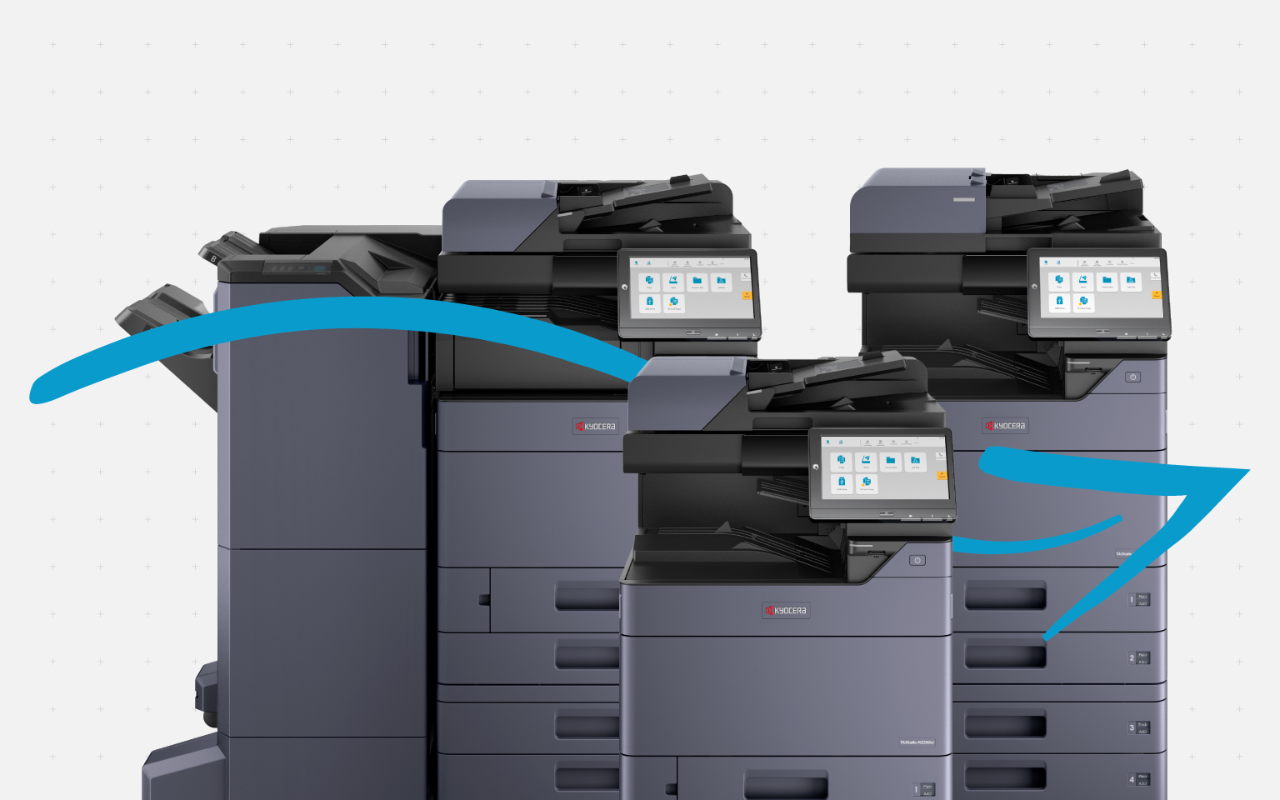
The Evolution of Office Printing Technology
Office printing technology has undergone remarkable metamorphosis over the past decade. Modern enterprises demand sophisticated apparatus that transcends traditional document reproduction capabilities. The paradigm shift toward hybrid work environments has catalyzed unprecedented innovation in printing hardware, necessitating multifaceted solutions that accommodate diverse operational requirements.
Contemporary printing ecosystems integrate seamlessly with cloud infrastructures, mobile platforms, and enterprise software suites. This convergence has fundamentally altered the specifications that prudent procurement professionals prioritize when evaluating printing solutions for their organizations.
Essential Performance Specifications
Print Speed and Volume Capacity
Throughput velocity remains paramount for productivity-conscious organizations. Modern office printers achieve impressive pages-per-minute (PPM) rates, with laser variants often exceeding 40 PPM for monochrome output and 25 PPM for color reproduction. High-volume environments benefit from devices capable of handling monthly duty cycles exceeding 80,000 impressions without compromising longevity.
First-page-out-time (FPOT) represents another critical metric. Advanced models deliver initial output within 6-8 seconds from standby mode, minimizing workflow interruptions. This rapid initialization proves invaluable during time-sensitive operations where every second impacts productivity.
Resolution and Print Quality Standards
Resolution specifications have evolved beyond basic 600x600 DPI configurations. Premium devices now offer 1200x1200 DPI or higher, ensuring crisp text reproduction and vibrant graphics rendering. Enhanced halftoning algorithms and advanced toner formulations contribute to professional-grade output quality that rivals commercial printing services.
Color accuracy becomes increasingly important as businesses produce marketing materials in-house. Devices featuring Pantone matching capabilities and ICC profile support enable consistent color reproduction across different media types and printing sessions.
Connectivity and Integration Capabilities
Wireless and Network Protocols
Contemporary printing solutions embrace diverse connectivity paradigms. Wi-Fi 6 compatibility ensures robust wireless performance in congested network environments, while Ethernet connections provide stable, high-bandwidth communication for mission-critical applications.
Near Field Communication (NFC) and Bluetooth Low Energy (BLE) facilitate seamless mobile device pairing. These proximity-based protocols enable instant connection establishment without complex network configuration procedures.
Cloud Integration and Mobile Printing
Cloud-native printing services have revolutionized document workflow management. Universal print drivers and vendor-agnostic platforms eliminate compatibility barriers while enabling centralized print queue management across distributed environments.
Mobile printing applications support various document formats and authentication methods. Pull-printing functionality ensures sensitive documents remain secure until authorized personnel retrieve them from the device.
"The future of office printing lies in seamless integration between physical hardware and digital ecosystems, creating unified workflows that enhance rather than hinder productivity."
Vonex Collection: Comprehensive Printing Solutions
Navigating the complex landscape of modern office printing requirements demands access to curated, high-quality equipment that meets evolving business needs. The Vonex Collection represents a carefully assembled portfolio of premium printing solutions designed specifically for Canadian businesses seeking reliable, cost-effective alternatives to traditional procurement channels.
This specialized collection addresses the multifaceted challenges that organizations face when upgrading their printing infrastructure. From compact desktop units perfect for home offices to robust multifunction devices capable of supporting entire departments, the collection encompasses diverse form factors and capability sets. Each product undergoes rigorous quality assessment to ensure compatibility with contemporary business software and network architectures.
The collection particularly excels in providing solutions that integrate seamlessly with cloud-based workflows while maintaining the security standards that Canadian businesses require. By offering both genuine and compatible consumables alongside the hardware, organizations can optimize their total cost of ownership while ensuring consistent performance across their printing fleet.
Security and Authentication Features
Advanced Security Protocols
Cybersecurity considerations have elevated printer security from afterthought to prerequisite. Modern devices incorporate enterprise-grade encryption standards, including AES-256 for data transmission and secure boot processes that prevent firmware tampering.
User authentication mechanisms range from simple PIN codes to sophisticated biometric scanning and smart card integration. Multi-factor authentication (MFA) compatibility ensures alignment with organizational security policies while maintaining user convenience.
Data Protection and Compliance
Regulatory compliance requirements necessitate comprehensive data handling protocols. Devices featuring automatic hard drive encryption and secure erase functionality protect sensitive information throughout the document lifecycle.
Audit trail capabilities provide detailed logging of all device interactions, enabling forensic analysis and compliance reporting. These features prove essential for organizations operating in regulated industries or handling confidential client information.
Advanced Multifunction Capabilities
Scanning and Digitization Features
Contemporary multifunction devices transcend basic flatbed scanning functionality. Automatic document feeders (ADF) with duplex scanning capabilities process multi-page documents efficiently, while optical character recognition (OCR) transforms scanned content into searchable, editable formats.
Advanced scanning features include: - Single-pass duplex scanning at speeds exceeding 80 images per minute - Automatic size detection and skew correction - Multi-format output including PDF/A for archival purposes - Direct integration with document management systems
Fax and Communication Integration
Despite digital transformation initiatives, fax communication remains relevant in certain industries. Modern devices offer both traditional analog fax capabilities and Internet fax (FoIP) functionality, enabling transmission over existing network infrastructure without dedicated telephone lines.
Enhanced features include fax-to-email conversion, scheduled transmission, and integration with contact management systems. These capabilities streamline communication workflows while maintaining compliance with industries requiring documented transmission records.
Sustainability and Cost Efficiency
Energy Management Systems
Environmental stewardship drives innovation in power management technologies. Energy Star certified devices incorporate intelligent sleep modes, instant-wake capabilities, and LED-based scanning systems that minimize power consumption without sacrificing performance.
Sophisticated power management algorithms analyze usage patterns to optimize energy consumption automatically. These systems can reduce operational costs by up to 30% while supporting corporate sustainability initiatives.
Consumables Optimization
Toner and ink management systems provide real-time monitoring of consumables levels, enabling proactive replacement scheduling. High-yield cartridge options reduce per-page costs while minimizing replacement frequency and associated labor costs.
| Consumable Type | Standard Yield | High Yield | Cost per Page |
|---|---|---|---|
| Monochrome Toner | 2,500 pages | 8,000 pages | $0.02 - $0.04 |
| Color Toner (Each) | 1,800 pages | 4,500 pages | $0.08 - $0.12 |
| Inkjet Cartridges | 600 pages | 1,500 pages | $0.05 - $0.08 |
User Interface and Workflow Enhancement
Touchscreen Controls and Customization
Intuitive user interfaces minimize training requirements and reduce operational errors. Large-format touchscreen displays provide smartphone-like interaction paradigms, while customizable shortcuts enable rapid access to frequently used functions.
Progressive web application (PWA) interfaces allow remote device management and configuration through standard web browsers. This approach eliminates proprietary software requirements while ensuring compatibility across diverse computing platforms.
Workflow Automation Tools
Automated workflow capabilities transform repetitive tasks into streamlined processes. Scan-to-workflow functions can automatically route documents to appropriate recipients based on predefined criteria, while batch processing capabilities handle large document volumes with minimal user intervention.
Integration with popular business applications including Microsoft 365, Google Workspace, and various document management systems creates seamless digital workflows that enhance operational efficiency.
Future-Proofing Considerations
Firmware Updateability and Longevity
Technology obsolescence represents a significant concern for capital equipment investments. Devices with robust firmware update mechanisms and manufacturer commitments to long-term support protect against premature obsolescence while enabling feature enhancements through software updates.
Modular hardware architectures allow selective component upgrades, extending device lifespan while incorporating emerging technologies. This approach maximizes return on investment while minimizing environmental impact through reduced hardware turnover.
Scalability and Growth Accommodation
Organizational growth necessitates adaptable printing infrastructure. Scalable solutions accommodate increasing print volumes through modular accessories, additional paper trays, and finishing options that can be added post-installation.
Network-based management platforms enable centralized administration of distributed printing fleets, simplifying support and maintenance as organizations expand across multiple locations.
The selection of appropriate office printing equipment requires careful consideration of current requirements alongside future organizational needs. By prioritizing devices that offer comprehensive connectivity, robust security, and sustainable operation, Canadian businesses can establish printing infrastructure that supports productivity while controlling operational costs. The convergence of traditional printing capabilities with modern digital workflows creates unprecedented opportunities for operational optimization and competitive advantage.