
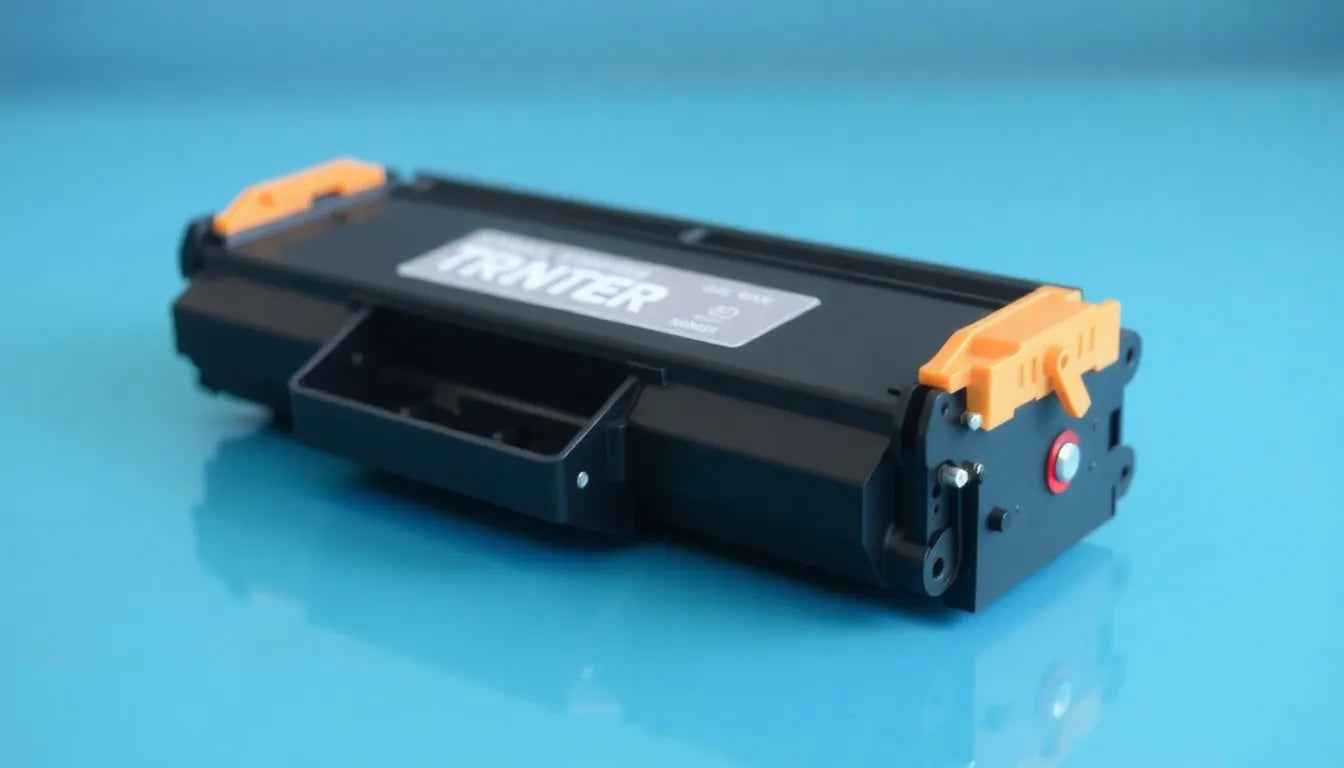
Wondering whether compatible toner cartridges are as good as original ones? The choice can impact your budget, print quality, and even your device’s warranty. This guide breaks down the differences, benefits, and potential pitfalls of compatible toner vs genuine, helping you make the right pick for your needs.
Understanding Toner Cartridge Types
Before diving into comparisons, it’s helpful to clarify what each term means.
- Genuine (OEM) toner cartridges are made by your printer’s manufacturer.
- Compatible toner cartridges are produced by third-party companies to work in the same devices.
Both serve the same purpose: to supply toner powder for laser printers, ensuring your prints appear crisp and clear. But their origins and some characteristics can vary.
Why Do People Choose Compatible Toner vs Genuine?
The first thing most buyers notice is the price tag. Compatible toner cartridges are typically much cheaper than originals. But there’s more to consider than just the upfront cost.
- Cost Savings: Compatible cartridges can be 30-70% less expensive than genuine versions.
- Wider Availability: Many retailers stock compatible options for popular printer models.
- Environmental Reasons: Some choose high-quality compatibles to support remanufactured or recycled products, reducing landfill waste.
Despite these benefits, concerns about print quality, printer longevity, and support may linger in your mind.
Print Quality: Can Compatible Match Genuine?
Print quality is crucial whether you’re producing a business report or school project. The main question is whether compatible toners can deliver results that look as good as genuine cartridges.
- Text Clarity and Color: Modern high-quality compatibles often come close to OEM standards for text, grayscale, and color performance. However, poorly made options may lead to faint text, streaks, or inconsistent coloring.
- Consistency: Genuine cartridges typically maintain consistent quality through every page. Some compatibles may degrade as they run out, resulting in dull prints or smudging.
- Photos and Graphics: For basic graphics or documents, compatibles are usually suitable. For vibrant, true-to-life photos and detailed graphics, genuine toner usually performs better.
Carefully choose compatible cartridges from reputable sellers who specify quality standards and offer satisfaction guarantees.
Reliability and Yield: Getting the Most Prints
When evaluating compatible toner vs genuine, you need to consider reliability and page yield—the expected number of printed pages per cartridge.
- Expected Yield: OEM cartridges usually publish detailed page yields tested against ISO standards. Quality compatible options often match these numbers, but off-brand products may underdeliver.
- Reliability: Genuine toner is designed specifically for your printer model, resulting in minimal risk of leaks, jams, or errors. By contrast, lower-quality compatibles could cause clogged nozzles, inconsistent toner spread, or error messages.
- Defective Rates: Most reputable compatible toner brands thoroughly test their products. Still, generic compatibles sometimes have higher defect rates and may require exchanges.
Choosing certified and well-reviewed compatible cartridges minimizes such risks.
Cost Considerations: Upfront vs Long-Term Value
The most obvious motivation for picking compatible toner vs genuine is cost savings. But let’s go deeper into the economics.
- Initial Purchase Price: Compatibles generally cost much less, making them attractive for households, students, and small offices on tight budgets.
- Long-Term Costs: If a compatible cartridge produces fewer prints or leads to maintenance problems, this could reduce savings.
- Warranty: Some manufacturers threaten to void printer warranties if non-original cartridges are used. However, laws in many regions prevent this, as long as the compatible cartridge didn’t cause the issue.
Weigh the whole picture—cost per print, reliability, and warranty terms—when making your decision.
Potential Risks and How to Avoid Them
Using any third-party product comes with challenges, but careful sourcing helps you avoid most problems.
- Printer Damage: Poorly designed compatibles can leak toner or damage internal drum components, risking costly repairs.
- Firmware Updates: Some printers automatically update and may stop recognizing compatibles afterward. Well-established compatible toner suppliers stay updated to ensure ongoing compatibility.
- Support and Returns: Always buy from vendors offering good customer support and hassle-free returns for defective cartridges.
Check reviews, look for ISO certification, and ensure a transparent return policy to minimize risks.
Environmental Impact and Sustainability
More users are factoring sustainability into their printing choices.
- Original Cartridges: Major brands offer recycling programs, encouraging responsible disposal.
- Compatibles: Many are made from recycled OEM cartridges (remanufactured), lessening environmental impact.
By selecting certified remanufactured or eco-friendly compatible toners, you can balance performance, cost, and environmental responsibility.
Common Questions About Compatible Toner vs Genuine
Many customers share similar questions. Let’s clear up a few major concerns.
-
Will compatible toner void my warranty?
In most cases, simply using compatible toner does not affect your printer warranty. Warranty claims may only be rejected if damage was clearly caused by a problematic cartridge. -
Is the chipped “smart” functionality impacted?
Some newer printers use chips to track toner levels or usage. Reputable compatible cartridges include updated chips to maintain full printer functions. -
Is there a risk to sensitive documents?
For government or confidential projects where perfect output is crucial, OEM cartridges are usually recommended. However, many businesses and home users are fully satisfied with quality compatibles.
Tips for Choosing the Right Cartridge
When comparing compatible toner vs genuine, keep these practical tips in mind:
- Research Sellers: Only buy from trusted suppliers with clear customer ratings and return policies.
- Check Compatibility: Match the cartridge model exactly with your printer’s specifications.
- Look for Guarantees: Many reputable compatible cartridge vendors offer satisfaction guarantees or warranties.
- Test Before Bulk Printing: If you have an urgent or critical project, test the cartridge quality first before relying on it for larger tasks.
Following these steps ensures you’re getting a product that matches your requirements—at the right price and with peace of mind.
When to Choose Each Option
Both compatible and genuine toner cartridges have their place, depending on priorities.
-
Compatible Toner Is Ideal When:
- You need to lower printing costs.
- Your prints are mostly for internal or personal use.
- You want a more environmentally friendly approach.
-
Genuine Toner Is Best When:
- You require flawless colors or detailed graphics.
- Your industry maintains strict standards for print output.
- Maximizing printer lifespan with manufacturer-approved parts is vital.
Assess your print habits and what you value most—cost, quality, or convenience—to make the best decision.
Conclusion
Ultimately, the choice between compatible toner vs genuine depends on your unique needs and priorities. Both types deliver value, but one may suit your situation better. Don’t hesitate to explore reputable compatible cartridges for savings without sacrificing essential print quality.